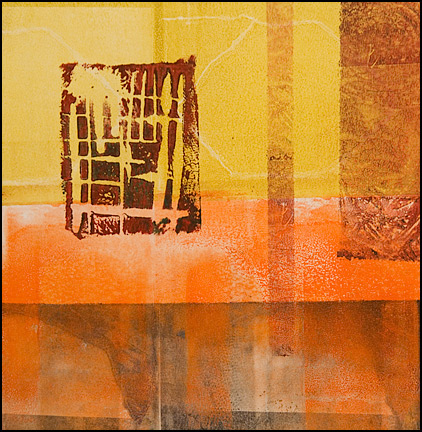
I read something recently about abstract art that intrigued me – it described such work as that which would otherwise exist only in the mind. In other words, it doesn’t contain any element that is recognizable as existing in nature, or the “external” world. This work becomes intensely personal as a result, in some cases perhaps too personal, making it sometimes inaccessible to others. It begs the question of whether the art is being done for the artist or the audience. And there is an educational element involved – with some background or explanation, the work without reference in nature may make sense to the observer. Usually such art is seen, however, without benefit of this information.
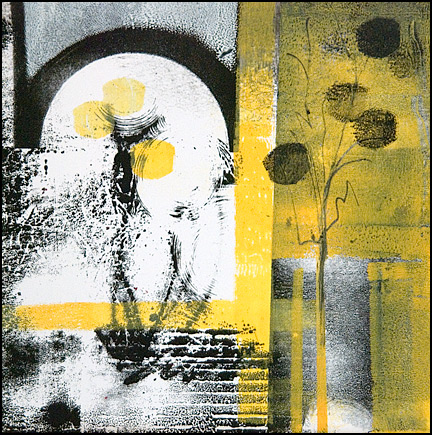
Of course, this is an extreme definition and much abstract art contains more or less obvious references to nature. The above piece would fall into the stricter definition, while the following piece would not:
In the first half of the 20th century there was a movement among some abstract artists to use the word “concrete” instead of abstract. Their sort of counter intuitive view was that abstract art without natural reference was more real than work that had a representational aspect. A painting of something else is always a mere “sign” or reference to that object and thus is less “real” in some sense than that object. Since the elements in a strict abstract painting don’t refer to something else, they are the things in themselves. So the artists preferred the term “concrete” to emphasize this direct rather than indirect reality of the piece.
I’m interested in the way in which things we see depict different levels of reality. I suspect it has a lot to do with how we learn and what it is to know. I have a feeling I’m headed down some of these paths in upcoming reading and contemplation.
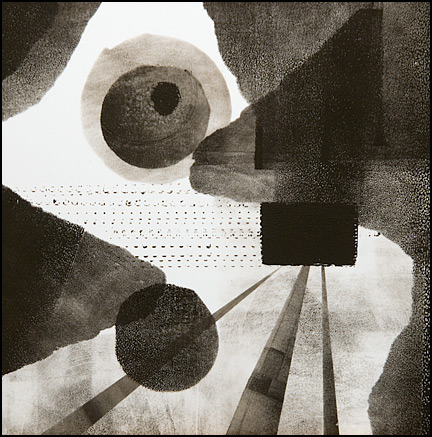
I’ll end with another piece of “concrete” art. I’m interested in your thoughts about how you both see and make art and how this distinction between paintings that have reference to nature and those that don’t enters into your thinking.


 Study Journal:
Leave a comment